斑 有斑YOUBAN
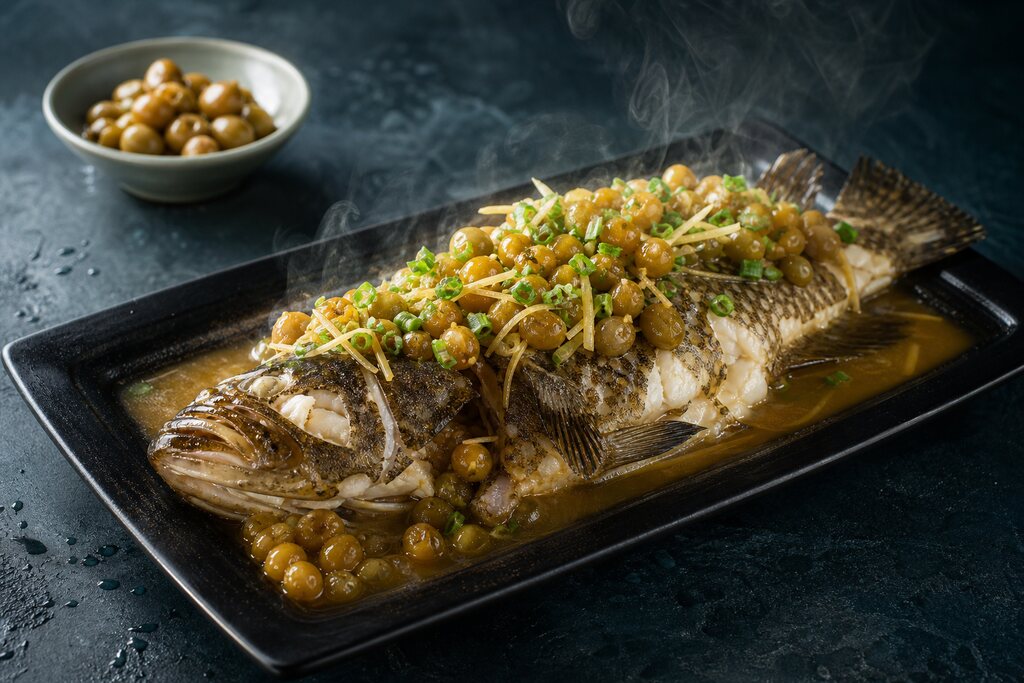
AI illustration of cordia-steamed longhu grouper with the fish covered in amber cordia fruit
CORDIA STEAMED GROUPER

Cordia-Steamed Grouper: Figure Out Which Kind of Cordia You Have Before Deciding on Soy Sauce

Every recipe says "two tablespoons of cordia," but some people end up with a perfectly seasoned dish, while others end up with something so salty it needs two bowls of rice to get through. The difference usually isn't about skill — it's whether the jar contains whole preserved cordia fruit or paste-like cordia balls. These two products simply go through different processing.

Quick answer

Cordia-Steamed Grouper: Figure Out Which Kind of Cordia You Have Before Deciding on Soy Sauce

Ratio: For a whole 600 g grouper, use about 2 tablespoons of cordia with its liquid, 10 g shredded ginger, and 1 tablespoon rice wine. Steam for 8–10 minutes once the water is at a full boil, then turn off the heat and let it sit covered for 1–2 minutes.

Saltiness: Cordia already contains salt, so start with just 1 teaspoon of soy sauce and add more after steaming if needed. Whole preserved cordia goes through a desalting step in processing; the paste-like cordia balls don't.
Key cooking moments

From prep to checking doneness, see what each step should look like before you start.

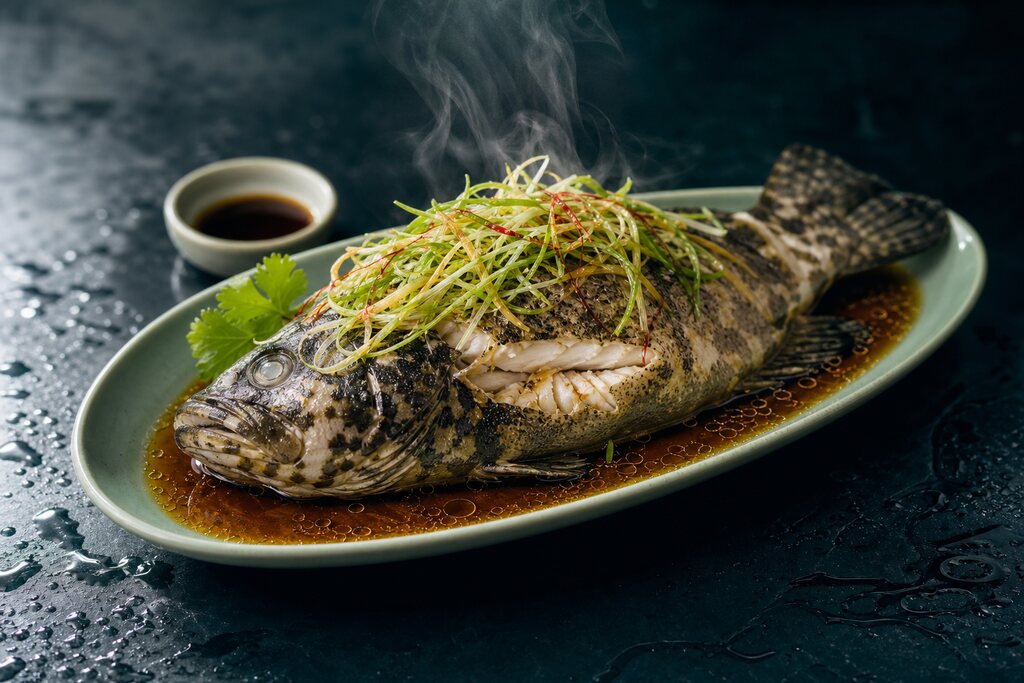
AI illustration of longhu grouper steamed with scallion and ginger, topped with shredded scallion and ginger and drizzled with hot oil
Cooking step illustrationThe scallion-and-ginger version without cordia: same heat and same timing — the only difference is where the saltiness comes from.

The images in this section are AI-generated cooking illustrations, not actual photos of the advertiser's product; real fish vary in appearance from one to the next.

Telling the Two Processed Cordia Products Apart

Treat these times only as a starting point for your first check — the thickness of the fish, its starting temperature, and the power of your equipment all make a difference. Always confirm the center is fully cooked before eating.

ItemPreserved Cordia (Whole)Cordia Balls / Cordia Paste (Paste-Like)
Processing stepsPrep raw material → cook → cool → salt-cure → desalt → season → jarWash → remove stems → cook (blanch) → add seasoning → mix → form → cool
Desalted?YesNo — salt is added directly during mixing
AppearanceWhole fruit, in liquid in the jarFlesh blended into a paste and pressed into a block
How to use for steamed fishScoop it out with the liquid; you can press the fruit gently with the back of a spoon to release flavorUsually noticeably saltier — start with a small amount and taste before adding more
How to add soy sauceStart with 1 teaspoon, add more after steaming if neededOften not needed at all — taste first, then decide

How to Tell Which Kind You Bought

Look at the shape

If the jar holds whole, individual pieces of fruit, it's preserved cordia; if it's already been blended into a paste and pressed into a block, it's cordia balls.

Check for liquid

Preserved cordia sits in liquid, and that liquid is itself a seasoning; cordia balls release almost no liquid, with the saltiness concentrated in the paste.

Taste a bit before cooking

This is the most reliable step. Dip a chopstick into a little of the liquid or paste to taste it — if it's clearly salty, skip the soy sauce entirely.

Don't judge by color

Both range from amber to brown, and the shade depends on the brand and ingredients — color alone won't tell you how salty it is.

Six Steps for Cordia-Steamed Grouper

  1. Fully thaw the whole grouper, rinse it, and pat dry both the surface and the cavity; score two cuts on each side for even heat penetration.
  2. Scoop out about 2 tablespoons of cordia with its liquid, and gently crush the fruit with the back of a spoon to release the flesh and aroma.
  3. Taste the liquid first to judge the saltiness: if it's clearly salty, skip the soy sauce; if it's mild, add 1 teaspoon, then stir in 1 tablespoon of rice wine.
  4. Line the bottom of the plate with shredded ginger, place the fish on top, and spoon the cordia with its liquid over the fish. Make sure the steamer water is at a full boil before adding the fish.
  5. Steam a whole 600 g fish over high heat for 8–10 minutes. Add about 1 minute for every additional 75 g.
  6. Turn off the heat and let it sit covered for 1–2 minutes without lifting the lid, then remove, top with shredded scallion, and finish with a spoonful of oil heated until it just starts to smoke.

Three Common Mistakes

Too salty

This is usually cordia balls combined with soy sauce on top. The paste-like cordia already has salt added during mixing, so adding soy sauce as well means salting it twice.

The fish releases liquid and the flavor turns bland

Too much sauce draws moisture out of the fish, diluting the liquid and the flavor. It's enough for the liquid to reach less than halfway up the fish.

The center isn't cooked through

This happens when the fish goes in before the water is at a full boil, or the whole fish is over 600 g without adding extra time. Treat the stated time as a starting point — the thickest point needs to be fully cooked through.

Frequently asked questions

Should you add soy sauce to cordia-steamed fish?

It depends on which kind you're using. Whole preserved cordia goes through a desalting step, so you can start with 1 teaspoon of soy sauce and add more after steaming if needed. The paste-like cordia balls already have salt added during mixing with no desalting step, so you usually don't need any more. The safest approach is to taste the liquid before cooking.

Should you crush the cordia before steaming?

Yes. Whole cordia fruit has an intact skin, so steaming it as-is only releases flavor from the surface. Gently crushing it with the back of a spoon lets the flesh and liquid spread into the fish. Crushing it until it splits open is enough — you don't need to mash it into a paste.

How does cordia-steamed grouper differ from plain scallion-ginger steamed fish?

The heat and timing are almost identical — the difference is in the sauce. Plain scallion-ginger steamed fish relies on the final drizzle of hot oil for aroma, with saltiness coming from soy sauce. In the cordia version, the saltiness comes from the cordia itself, so the seasoning order is reversed: check the cordia's saltiness first, then decide whether to add soy sauce.

More longhu grouper cooking guides

Each of the five guides tackles one specific question. For the product, the species, steaming, and soups, use the main navigation above.

Sources and notes on this content

Times and ratios on this page are home-cooking references and will vary with the thickness of the fish, how fully it has thawed, and the power of your equipment. Food information here makes no medical claims. Last updated: 2026-08-19.

Advertising disclosure

This is an advertising placement for 有斑 YOUBAN on HowBridge

The product on this page is supplied, shipped and supported by the advertiser 有斑 YOUBAN (韋泉有限公司, Weiquan Co., Ltd.). HowBridge Logistics (0523.tw) is the publishing platform providing the ad space; it is not a party to the sale and does not collect payment or ship this product. For orders, questions about specifications, delivery, and returns, please contact YOUBAN directly via LINE or phone.

AdvertiserWeiquan Co., Ltd.
Tax ID60520135
Publishing platformHowBridge 0523.tw
Ask on LINE
Page last updated